
Making Names
Justin Sayers
Senior Staff Writer, Austin Business Journal
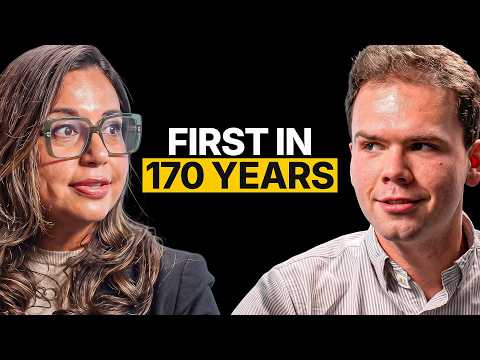
Justin Sayers, senior staff writer for the Austin Business Journal, joins Aidan Evans on Making Names to discuss Central Texas growth, suburban development, infrastructure and data centers. Produced by DSE Media in Austin, Texas.
In his words
“So, there's no shortage of stuff that we have to write about.”
“And I have to update that like every week with a new project.”
“But at the end of the day, like, developers are looking to make it financially work.”
“Always click on the story and read it through.”
What we talked about
Following growth beyond Austin city limits
Justin Sayers covers a Central Texas that extends well beyond downtown Austin. In this Making Names conversation with Aidan Evans, the Austin Business Journal's senior staff writer describes reporting on suburban communities where land purchases become factories, housing developments become neighborhoods and new employers change the local economy. He recalls following the arrival of Elon Musk's companies in Bastrop County from the earliest land transactions. Returning to places he first visited as open fields gives him a practical view of growth: the story continues long after a project is announced.
Why development moves outward
Sayers distinguishes the region's overall growth from what is happening in any one city. His reporting takes him through Williamson, Hays, Bastrop and Caldwell counties, where housing, retail and employment projects arrive at different stages. He describes developers weighing land prices, approval processes, incentives and whether a project can work financially. Growth in one suburb does not mean every nearby community is experiencing the same conditions. Many projects reaching completion now began years earlier, making today's construction the visible result of decisions made over a much longer period.
The corridor depends on infrastructure and people
The Austin–San Antonio corridor brings together highways, universities, housing and employers. Sayers discusses how access to Interstate 35 and the workforce around institutions such as Texas State University influence location decisions. He also describes more deliberate regional conversations about the connections between cities. Those opportunities come with practical limits. Transportation and workforce availability repeatedly surface in the interviews he conducts with businesses and economic developers. Roads and other infrastructure must serve existing residents while communities prepare for the next wave of investment.
Data centers require a project-by-project look
Water and power connect the broader growth story to the data center debate. Sayers describes maintaining a map of proposed projects and asking how each facility would operate. He cautions against treating every data center as identical: power sources, cooling approaches and local conditions can differ. A single proposal also needs to be understood alongside the demands of other developments in the same area. He reports both residents' resource concerns and the tax-base benefits cited by cities and economic developers. The discussion stays with those competing considerations rather than offering a blanket endorsement or rejection.
Business reporting for executives and neighbors
Sayers describes the Business Journal's role as providing business intelligence for people making decisions at very different scales. An executive may be following an industry expansion; a resident may simply want to understand what is being built next door. Both need reporting that goes beyond a headline. As technology, development proposals and public responses change, he emphasizes how quickly the story can move. His closing advice is straightforward: click through and read the full article. The details are where readers can begin to understand what a particular project means for their community.
About Justin Sayers
Justin Sayers is a senior staff writer for the Austin Business Journal, covering economic development with a focus on the suburbs surrounding Austin. His reporting includes the expansion of major employers such as Samsung and Tesla, as well as corporate incentive agreements at the state and local levels. In this interview, he discusses how he follows development across Central Texas, from early land purchases to operating facilities, and the infrastructure and resource questions that accompany regional growth.
More from the series
More conversations about regional growth, local businesses and economic development across Central Texas.


We build shows like this for Texas institutions
Making Names is our own. Explore our client work to see how we help Texas organizations produce recurring shows.
See our work with Luling EDC →See our work with Pflugerville PCDC →
Book a free strategy callWant the rest of the conversations? Browse every episode →