
Making Names
Justin Yancy
President and CEO, Texas Business Leadership Council
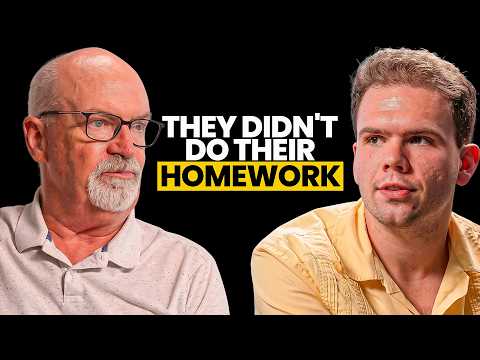
Justin Yancy, president and CEO of the Texas Business Leadership Council, joins Aidan Evans on Making Names to discuss Texas competitiveness, workforce, water, trade and executive involvement in public policy. Produced by DSE Media.
In his words
“But these leaders who are members want to give back.”
“It's not about any one person.”
“And again, success is never final.”
What we talked about
A shared voice beyond individual industries
Justin Yancy describes the Texas Business Leadership Council as a place where CEOs and senior executives can work on the conditions that affect business across the state. In this Making Names conversation with Aidan Evans, the council's president and CEO distinguishes that role from an industry association's work. Individual companies and sectors have their own priorities. The TBLC looks for issues that cut across them: education and workforce, water supply, immigration and trade. Its purpose is not to represent one industry's immediate request, but to help Texas remain competitive over the long term.
Focus makes executive time useful
Yancy is deliberate about what the council takes on. He prefers durable issues over a long list of topics that may appear for a single legislative session. Members already have demanding jobs, so meetings, committees and task forces need to make good use of the time they can give. Convening also has value beyond policy. Executives get a chance to compare experiences with peers they might otherwise rarely see. Yancy recognizes the same benefit in his own relationships with leaders of similar organizations in other states: shared problems become easier to navigate when there is someone to call.
Trade and immigration through a workforce lens
Yancy explains that the council's federal-policy engagement grew out of concerns about North American trade. He describes the value of nearby trading partners through supply-chain resilience and the ability to produce essential goods closer to home. Immigration enters the discussion as a workforce issue. He argues for secure borders while also supporting pathways for people who want to work and contribute. These are his policy positions, not a claim that every business has identical needs. The common thread is a question about the people and resources required to sustain a competitive economy.
Competitiveness is something to maintain
Looking back at Texas's economic development, Yancy discusses the expansion beyond agriculture and energy into technology and other industries. He connects that diversification with universities, entrepreneurship and a business-friendly policy environment. Yet he cautions against treating a strong reputation as permanent. Other states and countries keep improving, and Texas must respond. Water, education and workforce are not problems a successful state gets to stop considering. In his account, maintaining momentum requires adaptation rather than assuming yesterday's advantages will continue to deliver tomorrow's results.
The strength behind the policy work
Yancy also reflects on his earlier government work and the importance of respectful relationships across political differences. He worries about a climate in which people view the other party as an enemy rather than as people with different ideas. That concern sits alongside his explanation of the council's credibility. When he appears at a hearing or meets with lawmakers, he sees the membership behind him as the source of its strength. He describes members who want to improve the state for their families, communities and future generations. The work depends on those people choosing to contribute their time, not on one individual speaking alone.
About Justin Yancy
Justin Yancy is president and CEO of the Texas Business Leadership Council, a statewide network of CEOs and senior business executives. He joined the council as president in July 2001 and oversees its membership involvement, policy work and general operations. He also serves as executive director of the Foundation for a Globally Competitive Texas. Before joining the council, he worked in the Office of the Governor and the Office of the Texas Secretary of State.
More from the series
More conversations about Texas economic development, business leadership and the people investing in their communities.


We build shows like this for Texas institutions
Making Names is our own. Explore our client work to see how we help Texas organizations produce recurring shows.
See our work with Luling EDC →See our work with Pflugerville PCDC →
Book a free strategy callWant the rest of the conversations? Browse every episode →